We document the damage. Your carrier decides the claim. Those are different jobs
Storm damage is what homeowner insurance is for, and in Montgomery County it pays for a large share of the roofs that get replaced. The parts homeowners get caught out by are the deductible structure and whether the roof is covered at replacement cost or actual cash value. Both are on your policy, and both are worth reading before a storm.

What is covered and what is not. Sudden damage from a covered peril — wind, hail, a tree coming down, debris impact — is the core of what a homeowner policy pays for, and that is most storm roofing in this county. What is not covered, in essentially every policy, is wear and tear, age, deterioration, poor maintenance, and a leak that has been quietly going on for a year. The line between a twenty-two-year-old roof with storm damage and a twenty-two-year-old roof that is simply finished is where most disputes happen, and it is why documentation with a dated storm event attached to it matters so much.
Your deductible is probably not what you think. Many Tennessee policies now apply a separate wind and hail deductible calculated as a percentage of the dwelling coverage rather than a flat dollar figure — commonly one or two percent. On a home insured for $300,000, a two percent wind and hail deductible is $6,000 out of pocket before the carrier pays anything, which is a very different proposition from the $1,000 flat deductible people assume they have. Tennessee homeowner premiums average around $1,720 a year, above the national figure, largely because of this storm exposure. Find the wind and hail line on your declarations page specifically; it is often separate from the all-other-perils deductible.
Replacement cost versus actual cash value. This is the one that produces the unpleasant surprises. A replacement cost policy pays what it costs to put a new roof on today, normally in two parts: an initial payment, then the withheld depreciation released once the work is completed and invoiced. An actual cash value policy pays that figure minus depreciation for the roof's age, and that is the end of it. Carriers increasingly move roofs past roughly fifteen years onto actual cash value at renewal, sometimes with little fanfare. If your roof is older, check which basis applies before you need it.
How the process goes. Document the damage with dated photographs before anything is moved or cleaned up. Report the claim to your carrier promptly — policies carry notice requirements and the longer the gap, the harder it is to tie damage to a specific storm. Get an independent inspection so you know what is actually up there before the adjuster arrives. Meet the adjuster, and have your contractor there to walk the roof with them if you want. Compare the adjuster's scope against the contractor's, line by line, because omissions are common and usually unintentional — ridge vent, drip edge, flashing, gutters and code-required items are the ones most often left off. Where there is a genuine gap, supplement it with evidence. And keep your deductible: you owe it, Tennessee law requires that you pay it, and a contractor offering to absorb it is proposing something that creates a problem for you and not only for them.
What's included
Damage documented to adjuster standard
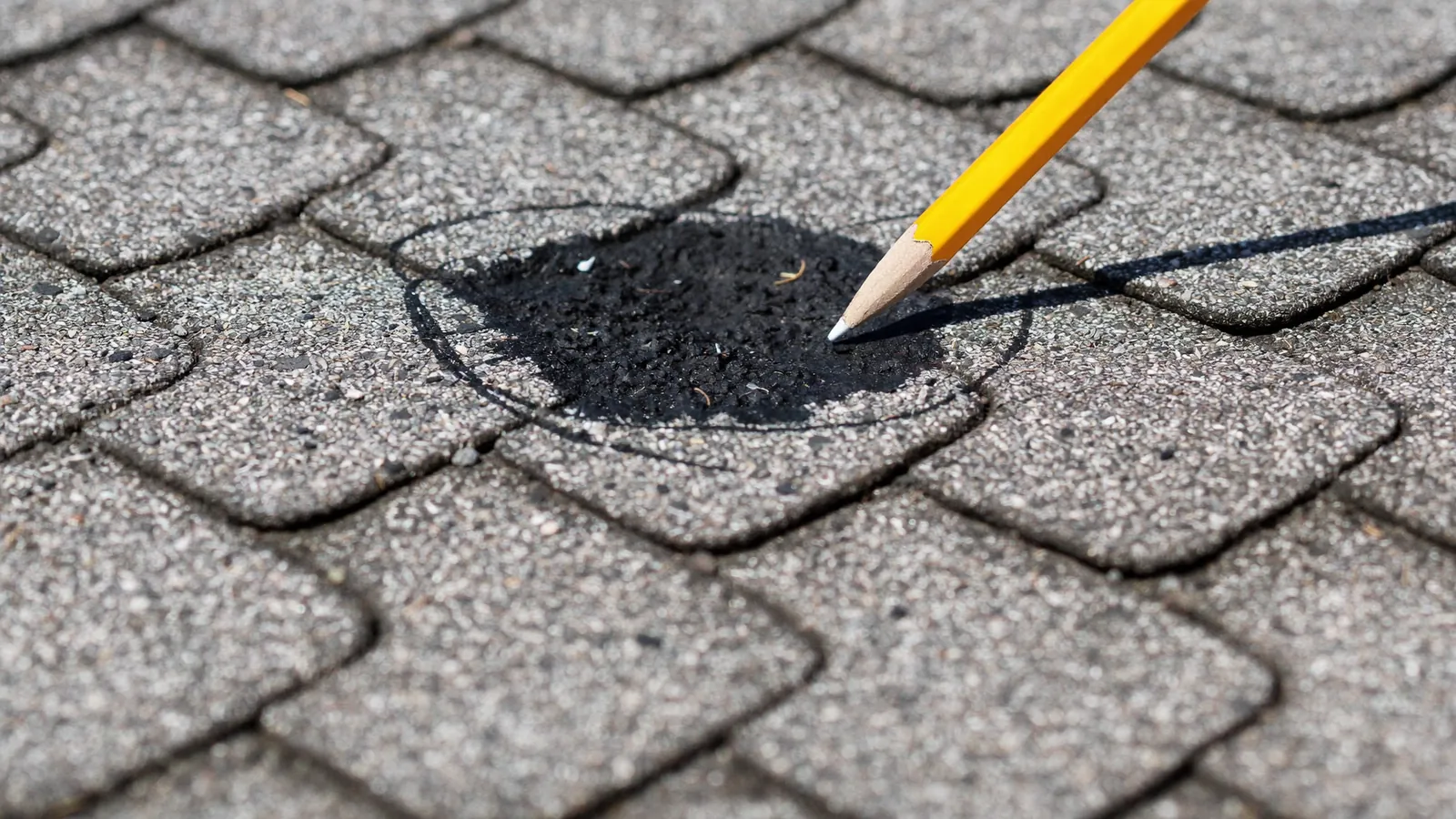
Photographs with a scale in frame, test-square counts per slope, dated and tied to a storm event.
A straight answer on whether to file
If what is up there will not support a claim, we tell you, and you keep a clean claim history.
Your policy terms explained plainly
Which deductible applies, whether it is flat or a percentage, and whether you are on replacement cost or actual cash value.
We will meet the adjuster
If you want us there, we walk the roof with them, which is quicker and more accurate than two separate visits.
Scope compared line by line
Ridge vent, drip edge, flashing, gutters and code items checked against the carrier's estimate, because they are routinely missed.
No deductible absorption
Your deductible is yours to pay. Anybody offering to cover it is showing you how they operate.
Roof insurance claims cost in Clarksville, TN
| Job | Typical price | Notes |
|---|---|---|
| Damage inspection and claim documentation | Free | Yours whether or not you file |
| Written damage report with photographs | Free with inspection | Format an adjuster can work from |
| Attending the adjuster meeting | Free | On request |
| Supplement documentation if underscoped | Free | Photographs, measurements, manufacturer letters |
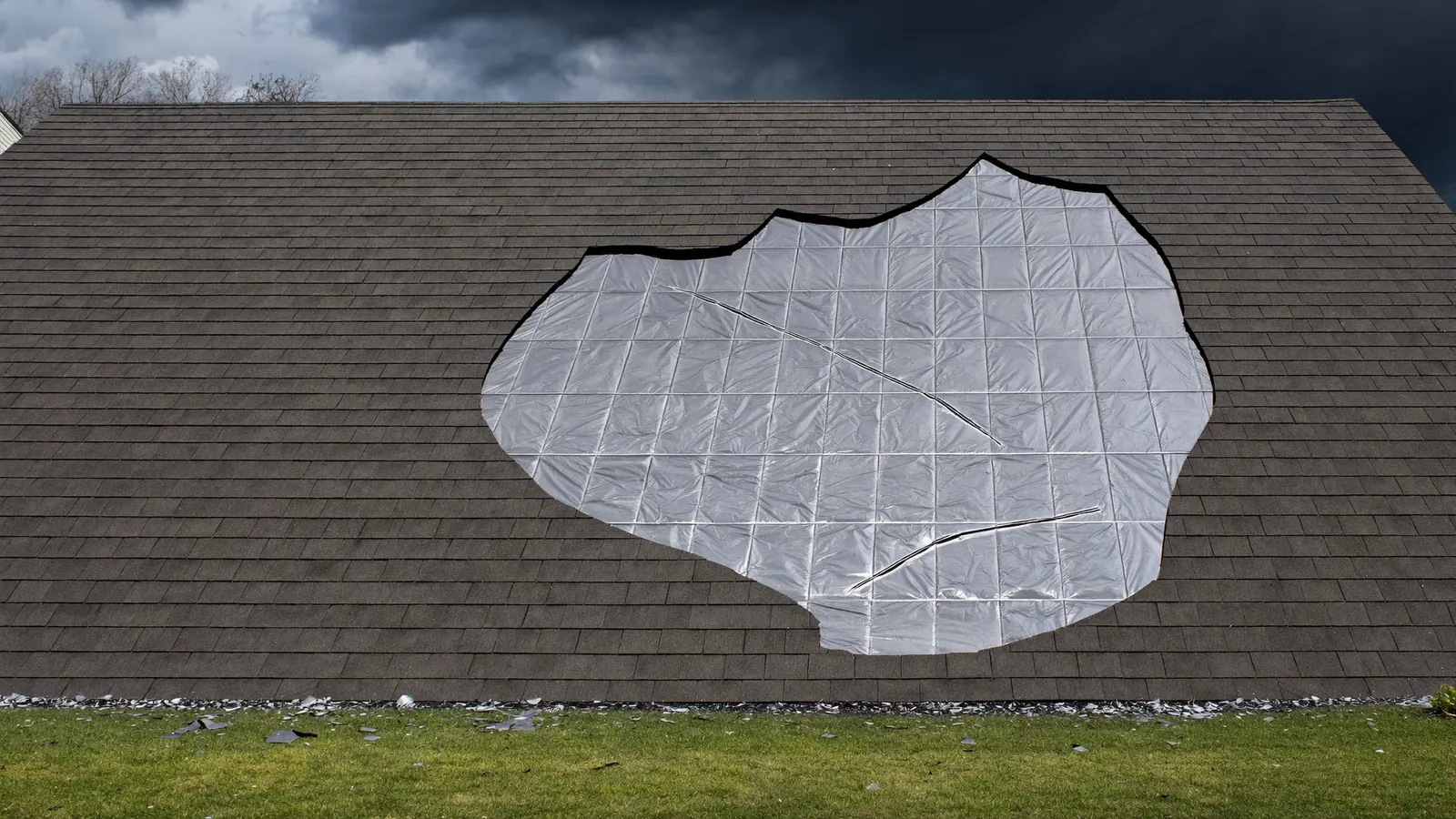
| Emergency tarp (usually covered) | $350 – $900 | Keep the invoice for the claim |
| Storm damage repair | $1,000 – $10,000+ | See storm damage |
| Full replacement on an approved claim | $6,700 – $15,000+ | Scope matched to the carrier's |
| Your deductible | You pay it | Flat or 1–2% of dwelling value |
These are 2026 ranges for Clarksville and Montgomery County, meant for budgeting rather than quoting. Pitch, the number of layers to come off, the condition of the decking and the flashing details all move the number. You get the scope and the price in writing after the inspection, and the inspection is free.
Recent work
Questions we get about roof insurance claims
Will my insurance pay for a new roof?
If a covered peril caused genuine damage, usually yes, subject to your deductible and whether you are on replacement cost or actual cash value. If the roof is simply old and worn out, no — age is not an insured event, and filing on it produces a denial that helps nobody. The free inspection is how you find out which situation you are in before you call your carrier.
What is my deductible likely to be?
Check the declarations page for a separate wind and hail line, because many Tennessee policies now use a percentage of the dwelling coverage for that peril — commonly one or two percent — rather than the flat figure people remember. Two percent on a $300,000 dwelling limit is $6,000. It is the single most common unpleasant surprise in this process.
The adjuster's number is lower than your estimate. What now?
That is common and usually not adversarial. We compare the two scopes line by line and look for what is missing — ridge vent, drip edge, step flashing, gutters, and code-required items are the usual omissions — then supplement with photographs, measurements and manufacturer documentation where a shingle line is discontinued. Your carrier makes the decision; our job is to make sure they have the full picture.
Should I file a claim at all?
Not always. If the damage is minor, or close to or below your deductible, or arguably age-related, filing may cost you more in claim history than it returns. We will tell you what we actually found and what we would do in your position, and that answer is sometimes don't file. It is your decision and your agent is the right person for the insurance side of it.
What does it mean if my roof is on actual cash value?
It means the carrier pays the cost of replacement minus depreciation for the age of the roof, with no second payment when the work is done. On a fifteen- or twenty-year-old roof that gap can be very large. Carriers have been moving older roofs onto this basis at renewal, so it is worth checking your current declarations page rather than assuming the terms you had five years ago still apply.
Can you handle the claim for me?
We document damage, provide a scope, meet the adjuster and supply supplement evidence. We are not public adjusters and we do not negotiate your claim on your behalf or give coverage opinions — that is regulated work and not ours. For a genuinely contested claim, a licensed public adjuster or your own attorney is the right person, and we will say so rather than pretend otherwise.